


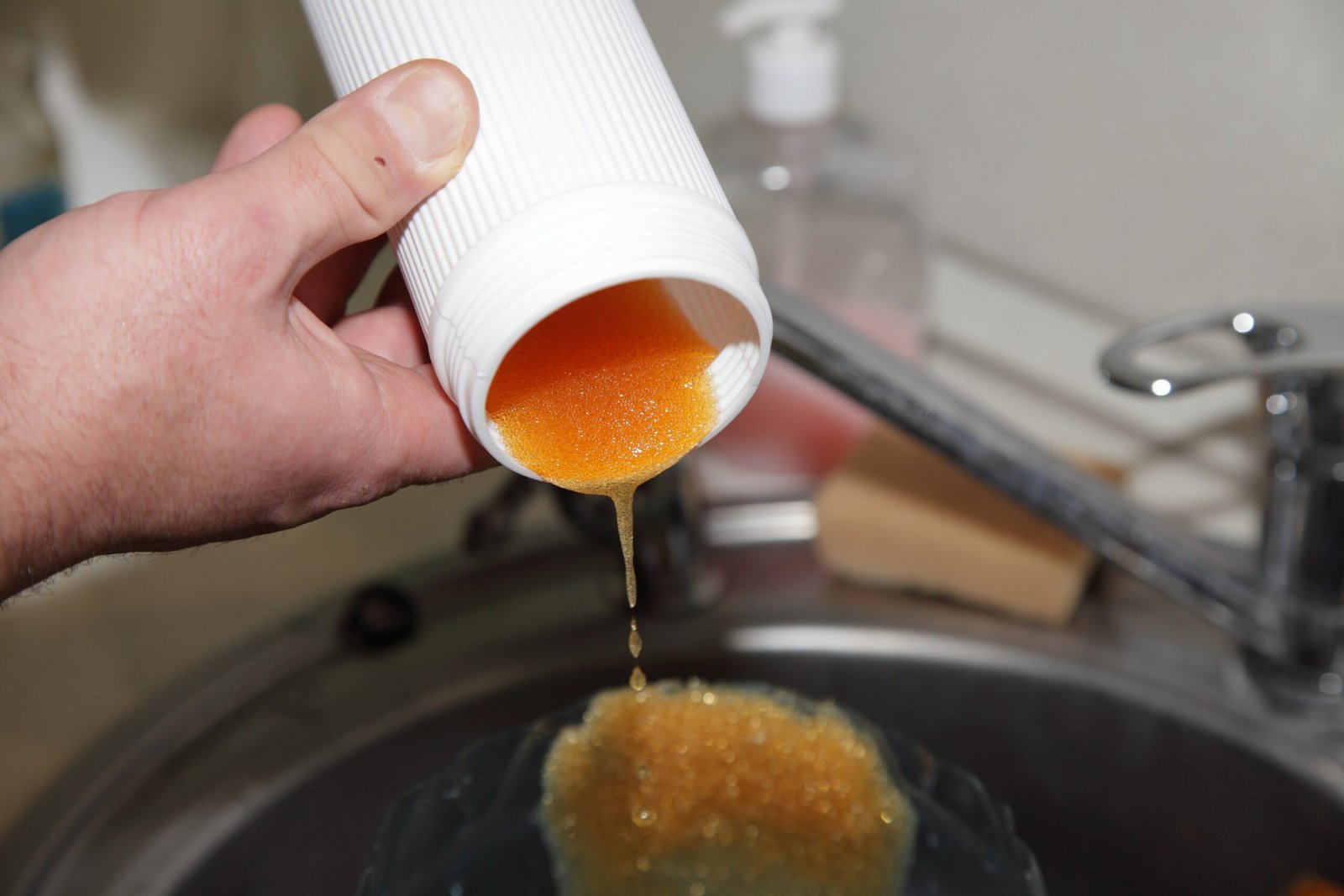
Ion Exchange Resin has crucial roles in the water purification industry. Though tiny in size, they can have incredible applications such as softening water or removing contaminates such as copper and lead. They are essentially tiny porous beads that have great capacity for the process of ion exchange.
How does Ion Exchange Resin work?
These beads are highly porous and perform as a magnet for dissolved minerals. When water flows over a bed of these special beads, ion exchange takes place as the unwanted ions get removed and get replaced with less harmful ions such as sodium. Sodium will not cause scale in pipes or appliance. Hence, ion exchange resin beads are absolutely a miracle worker when it comes to water softening.
What are the different types of ion exchange resin?
The Cation type of Resin replace positive ions like calcium with other positive ions such as sodium. As mentioned above, this is used for water softening, along with demineralization. An example of cation type resin would be SAC (Strong Acid Cation) exchange resin.
Meanwhile, Anion Exchange Resins instead replace negative ions such as chloride ions with hydroxide. We see anion exchange resins used in a variety of applications such as in improving drinking water. They may be used to specifically target contaminants for removal such as arsenic or nitrates. Also, this type of resin can be used to reduce alkalinity in boiler water to control the pH and decrease the amount of scale.
What industries benefit from ion exchange resin?
There is vast usage of ion exchange resin from residential all the way to electronics and manufacturing microchips.
For example, ultra-pure water is required in the manufacturing of electronic components. This is due to even very small contaminants being able to destroy microscopic circuits.
Meanwhile, within the pharmaceutical industry it used for purifying of the product such as in antibiotic purification.
Getting demineralised water is critical when it comes to preventing scale build up and corrosion inside high pressure boilers. As such, ion exchange resin benefits the power generation industry massively. By eliminating scale formation, overheating can be reduced. Not only this, the resin can then extend the equipment lifespan as corrosion is reduced.
The benefits aren’t just limited to industrial though. Professionals in the window cleaning industry rely on mixed bed resin when it comes to producing ultra-pure water (O ppm TDS) to give customers spot-free cleaning. Tulsion MB115 is great for this (a mixture of cation and anion resins).
It isn’t just window cleaners reaping the rewards of ion exchange either. Car valeters will use this too for final spot-free rinses to ensure clients get the very best visual results.
Water Softening
Domestic success can also be seen with ion exchange resin. For example, Ion exchange water softeners will swap out the hard minerals like calcium and magnesium for sodium. This goes a long way in a household, with both people and appliances getting good outcomes from the use of water softener.
The less frequent exposure on the skin to hard minerals can lead to healthier skin and hair. This is because as the softer water is more gentle on the skin, dryness is reduced and hair becomes less brittle.
Staining is reduced on glassware and cutlery as limescale production reduces. Meanwhile, appliances last longer from washing machines to dishwashers so financially, it can be beneficial in the long run for homes.
The amount of soap you use should be a lot less as soft water allows for detergents to lather easier, therefore requiring you to use less of the product. Many people also find their laundry becoming cleaner and clothes lasting longer as the minerals aren’t deposited on them as much.
Conclusion
It is clear to see that Ion Exchange Resin is absolutely critical across various industries. This goes from industrial all the way to domestic. In the water treatment business, it’s ability to help produce power plants and reduce scale build up is vital. Meanwhile, ultra-pure water Is necessary when dealing with microchips. Not forgetting, the use of specialised resins for specific contaminant removals from water.
For more types and information on ion exchange resins, you can visit the products page on here on the Resin Products website.