


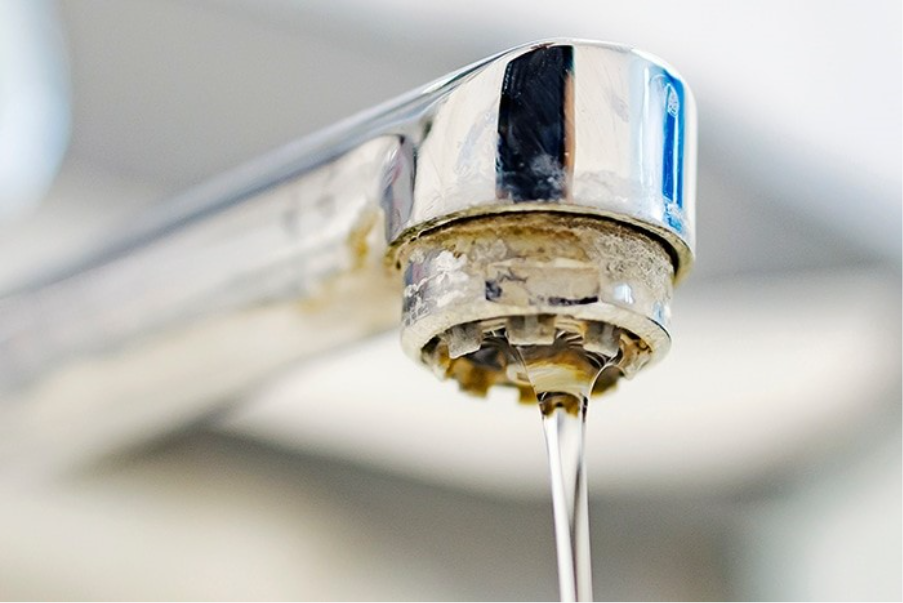
Hard water can cause a range of problems in your home if left untreated, from appliance damage to stubborn and unsightly limescale (calcium carbonate) in your bathroom. It can also affect your skin and hair, which may be particularly noticeable for people with dry or sensitive skin.
These are just some of the common effects of hard water. However, before looking at the solutions, it is important to understand what hard water actually is.
What Is Hard Water?
Hard water is water with a high concentration of dissolved minerals, mainly calcium and magnesium. These minerals enter the water as it flows through soil and rocks, naturally increasing its mineral content.
The level of water hardness varies across the UK, depending on the local geology and water source.
The Effects of Hard Water in Your Home
Hard water can affect various areas of your household, including:
- Limescale buildup: Calcium and magnesium can form mineral deposits inside pipes, taps, showerheads and household appliances, which can restrict water flow over time.
- Coffee and espresso machines: Limescale can build up inside coffee machines and affect their performance. It may also affect the taste and quality of your coffee.
- More repairs and appliance replacements: Limescale can build up on heating elements and internal components, potentially reducing the efficiency and lifespan of appliances such as dishwashers, washing machines and coffee machines.
- Higher running costs: When limescale builds up on heating elements, appliances may need to work harder to operate efficiently, which can increase energy consumption.
- Unpleasant odours: A rotten-egg smell in water is commonly associated with hydrogen sulphide. This can occur in some water sources, particularly groundwater, and may be affected by conditions within plumbing systems.
- Staining: High levels of iron in water can cause unsightly brown or orange stains around sinks, toilets and other fixtures. Iron concentrations as low as 0.3 parts per million (ppm) can sometimes cause noticeable staining.
The Effects of Hard Water on Your Skin and Hair
Hard water can also affect your skin and hair.
- Dry and irritated skin: Hardness minerals can react with soap and make it more difficult to rinse away completely. This can leave behind soap scum on the skin, potentially contributing to dryness and irritation.
- Changes to the skin’s natural barrier: Frequent exposure to hard water and soap residue may affect the skin’s natural barrier, which can make the skin feel dry or uncomfortable.
- Dry, dull hair: Hard-water minerals can leave deposits on the hair shaft, potentially making hair feel dry, dull and brittle. Mineral buildup can also make hair more difficult to manage.
Soft Water as a Solution to Hard Water Problems
There is a solution to many of the problems associated with hard water. Using a water softener can help reduce the concentration of calcium and magnesium ions in your water, helping to minimise limescale buildup and its effects on your home.
So, what is soft water and how can you get it?
Soft water contains very low levels of hardness-causing minerals, particularly calcium and magnesium. Water hardness varies depending on where you live in the UK, with many areas of southern and eastern England having harder water.
Water hardness can be measured using appropriate water-hardness testing methods and is commonly expressed in units such as parts per million (ppm) or mg/L as calcium carbonate (CaCO₃).
A water softener can use water softening resin, such as ResinTech CG8, to reduce calcium and magnesium ions in the water through an ion-exchange process.
ResinTech CN8-F
Alternatively, you can use ResinTech CN8-F. This fine-mesh resin can be a suitable option for applications where iron removal is also required.
ResinTech CN8-F is designed for water treatment applications involving hardness and iron. It can be particularly useful for well water with elevated iron levels. By helping to reduce iron in the water, it can help minimise the orange or brown staining commonly associated with iron.
High iron levels can also give water a metallic taste or unpleasant odour. Treating the water can help improve its overall appearance, taste and odour.
Benefits of Soft Water
If you incorporate a suitable water softening resin into a water softener system, you may benefit from:
- Reduced use of cleaning and bathing products: Soft water can help soap and cleaning products lather more effectively, potentially reducing the amount needed.
- Softer-feeling skin: With calcium and magnesium levels reduced, soft water can leave less soap residue on the skin and may help reduce the dry or tight feeling associated with hard water.
- Less limescale and easier cleaning: Reducing hardness minerals can help minimise limescale deposits on taps, shower screens, bathroom surfaces and appliances.
- Fewer appliance problems: Reduced limescale buildup can help protect heating elements and internal components, potentially improving appliance efficiency and lifespan.
- Improved appliance efficiency: By reducing scale buildup, water softening can help appliances operate more efficiently, particularly those that heat water.
If you have hard water problems, you do not have to simply put up with them. The right water softening system and resin can help reduce the effects of hard water throughout your home.
Soft water can also benefit your skin and hair, but is it safe to drink?
FAQ
What Does Hard Water Mean?
Hard water is water that contains a high concentration of hardness-causing minerals, mainly calcium and magnesium.
How Do I Treat Hard Water?
Hard water can be treated using a water softener containing suitable water-softening resin. The resin uses an ion-exchange process to reduce calcium and magnesium ions in the water.
What Areas in the UK Have Hard Water?
Hard water is particularly common in parts of southern and eastern England, including areas around London and the South East. However, water hardness varies depending on the local geology and water source.
How Can I Measure My Water Hardness?
Water hardness can be measured using a water-hardness test. Results may be expressed in ppm or mg/L as calcium carbonate (CaCO₃), as well as other units such as degrees of hardness.
Is Soft Water Good for You?
Softened water can generally be suitable for drinking when produced and maintained correctly. However, some water-softening systems can increase the sodium content of water. People following a low-sodium diet and households with infants should consider their specific circumstances and seek appropriate advice when choosing a drinking-water treatment system.