


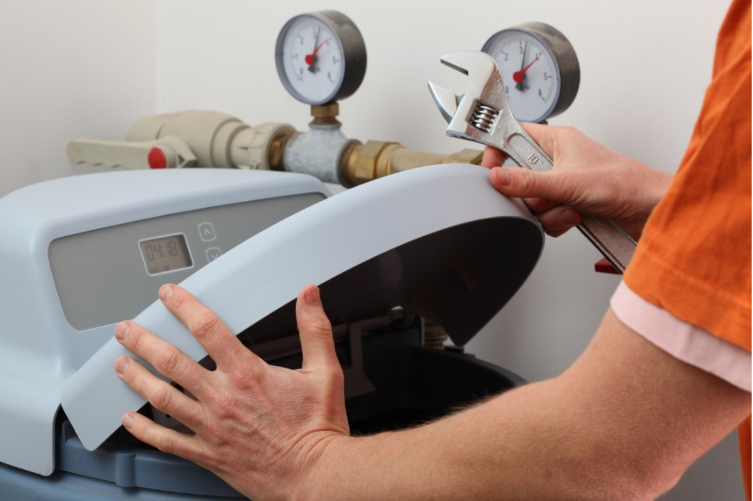
If you’ve ever stumbled across water softener resin beads in your water, then unfortunately, these ion exchange beads have escaped the water softener unit. This may have happened for a variety of reasons. We’ll look at what can cause it and how you can solve the problem, so you don’t run into any more plumbing issues from this.
Causes of ion exchange resin beads in my pipes
- Degrading/wearing out of the beads. Though they do have a long life, (usually around 10-15 years in ideal circumstances), overtime they can begin to break down into small pieces which can be small enough to slip through the distributing basket.
- Another common cause is if your water pressure is too high. It can dislodge the distributing baskets or riser tube which gives space to allow the beads to end up escaping in the plumbing.
- A full tank failure can be the cause of a sudden large leakage of the beads into your plumbing system. It may be that the riser tube is cracked for example.
- Incorrect installation. Plumbing the system backwards (swapping inlet & outlet pipes) would also lead to leakage. The water would be entering the tank through what should actually be the exit.
- Do you have high chlorine levels? Overtime. This can oxidise the beads and cause damage to the cross linking which holds them together. The end result? Mushed up or swollen ion exchange resin that ends up slipping down through the bottom of the basket.
- Extreme temperatures. If your water softener is installed in an insulate garage for example and the water freezes then this is extremely damaging to the beads. They can shatter them into very fine fragments.
How will I know if there is leakage?
You’ll know if you see very small tiny amber/golden beads in sink basins or coming out when you turn your tap – they should not be there. Keep an eye out for showerheads getting blocked too – it could very well be resin causing this blockage. Taste such as grittiness is another factor you should look out for as well.
How to fix water softener resin in your pipes
You should follow these steps if you’ve encountered this problem.
- Firstly, you’ll want to make sure your water softener system is in bypass mode.
- Next, unscrew and remove both screen and aerators from all faucets and detach every shower heads (stops resin beads getting stuck in the tips).
- Temporarily shut supply valves for toilets (the beads can jam toilet valves).
- Flush the faucets, beginning with the one furthest away from the main water supply. Open cold water lines first, followed by hot water in order to let the water pressure push out any trapped beads.
- If anything loses pressure, shut it off and clear any resin that has built up.
- You should then flush until all the water softener resin is out of every outlet.
- If it is necessary, flush your water heater tank. This is because beads can end up settling at the bottom of the tank which would go onto reduce the efficiency of your heating and can be damaging in the long run.
Final Step
Crucially, you must actually fix the issue here and not just the symptom (loose resin). Make sure you keep the water softener unit in bypass mode until you have fixed it. (For example, replacing a broken bracket inside the system).
Risks of loose resin in pipes
You should act immediately if you spot loose water softener beads here. Otherwise you may run into problems such as…
- Plumbing gets clogged up which will require taking apart.
- Bacterial growth. If beads get caught in pipes, then it can become a breeding ground for bacteria to start forming.
- From this, you can then run into problems with your water becoming undrinkable in terms of flavour and safety.
- Appliances like washing machines and dishwasher can clog straight away. If they pass through the screens, they can destroy internal valves which would flood the appliance cause it to stop working.
Domestic water softening resin
If you find that your resin has become degraded, then replace it today. We stock a variety of resins suitable for domestic and industrial purposes. A popular choice for residential softeners is CGS, manufactured by water treatment experts ResinTech in the USA. It’s Gold Seal Certified by the WQA for potable water purposes.
FAQ
What are ion exchange resin beads made of?
These are tiny, usually amber coloured beads made from an insoluble polymer substrate.
Can loose resin damage my pipes?
Yes, you can run into plumbing issues such as valves burning out.
Can chlorine levels affect my water softener resin?
Yes, overtime, high levels of this can damage the chemical makeup of the bead.
How will I know my water softener resin has leaked?
You will see the small beads coming out of your taps or notice a sudden drop in water pressure.
How long should ion exchange resin last?
In optimal conditions, water softener resin can last up to 15 years but factors such a high chlorine levels can decrease this down to 5 years.