


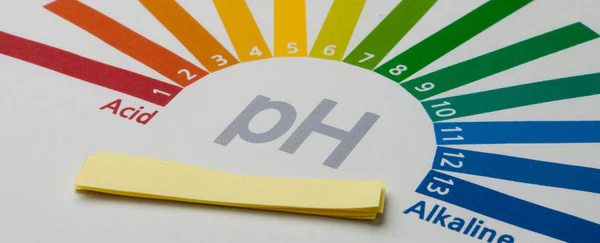
Simply put, the pH of water shows how alkaline or acidic a water is on a scale between 0-14. Anything below 7 we class as acidic, whereas anything above 7 we say is alkali.
Because pH translates to the potential of hydrogen, the scale measures the concentration of hydrogen ions. On the scale, a lower reading means there is a higher concentration of these hydrogen ions and conversely, at the other end of the scale, this means there is fewer hydrogen ions.
Before we discuss the best pH level for drinking water, it’s a good idea to become familiar with how this translates to real world examples.
For example. Vinegar has a pH of 2, meaning it is very acidic. Your everyday glass of orange juice also registers as acidic, coming out at 3 on the pH Scale.
As we climb up the scale, we get to the neutral point of 7 (halfway). This is pure, distilled water. Then higher up the scale, products like toothpaste and household cleaning products such as oven cleaners have strong alkalis (sodium hydroxide) – these would be used to break down the grease.
What is the pH of everyday drinks?
| Drinks with high levels of acidity (below 7) | pH level |
| Lemon & lime juice | 2 – 2.4 |
| Coke/other sodas | 2-4 |
| Sports drinks like Powerade | 2.7-3.9 |
| Coffee | 4-6 |
| Drinks that are alkaline (above 7) | pH level |
| Green juices | 5.5-6.5 (But alkaline forming upon digestion) |
| Soya milk | 6.5 – 7 (alkaline forming) |
| Almond milk | 6.9-7.6 (alkaline forming) |
| Alkaline water | 8-9.5 |
How to Check Water pH Using Test Strips
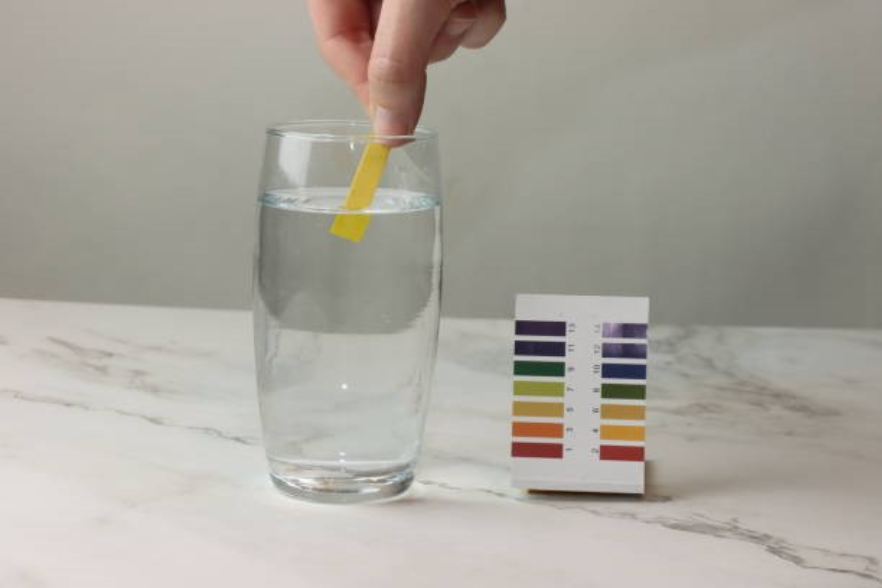
The most simple method for testing the pH level of water is using the pH test strips. They are very cheap and provide instant results.
When you have your strips, dip them into the glass of water for just a few seconds. You will notice the strip changing colour based upon its acidity.
Simply compare the colour of the now wet strip to the colour chart supplied with the strips and see your resulting pH.
How pH Levels Affect Your Drinking Water
A low pH (acidic water) will cause pipe and plumbing issues as it is very corrosive. You can end up with staining as the acidic water will corrode copper and brass plumbing. Typically, you’ll see these appear in your sinks and bathtubs as well as the head of your shower.
You could even come across them as blue/green streaks on any light coloured clothing items within your washing.
Your exposure to heavy metal will also increase with low acidic water. This is due to process called leaching where the water corrodes pipes so now your water has taken in heavy metals (typically copper and lead).
Metallic tasting water
Thes dissolved metals can have a noticeable impact on the taste of your household water. It leaves an unpleasant metallic or even sour taste to the water.
Meanwhile, on the other end of the pH scale, water that is of high alkalinity can also be less palatable as well. Often regarded as tasting bitter or having metallic taste to it.
Solution for effects of acidic water
You can stop the effects of low pH water with a filter cartridge. Specifically, a pH neutralisation filter cartridge. This increases the pH level of acidic water so you can get stop the corrosion within your pipes. Not only this. The cartridge allows for mineralisation – meaning the added minerals restore taste to a refreshing, non-metallic and crisp feel.
You can use this in a standard residential housing as well as industrial size housing.
What’s the best pH level for drinking water?
The optimum pH level of water for drinking purposes is somewhere between 6.5 and 8.5 on the pH scale. This is because in terms of taste, it’s crisp and refreshing. Secondly, for your home this level is great for the plumbing as it isn’t acidic enough to cause damage to copper pipes. It also won’t contribute to metal leaching (when low pH water ends up dissolving heavy metals like lead into your drinking water).
FAQs
How can I find out the pH of my tap water?
You can buy a pH test to dip into a glass of water at home. They’re cheap and very simple to us.
Is there any way to treat the pH of my water?
You can use a filter cartridge designed to correct the pH when water passes through It will raise the pH, reduce the acidity.
What pH is regular tap water?
It’s typically around the 7 mark. This is perfectly optimum for drinking as it contains naturally occurring minerals.
What are the major effects of water high in acidity in my home?
The damage to your pipes and plumbing, along with staining are the main concerns.
Does the pH level vary by region?
Slightly yes – because in the UK our tap water comes from different natural sources such as rivers. As a result, the exact pH will change based upon the areas geology.