


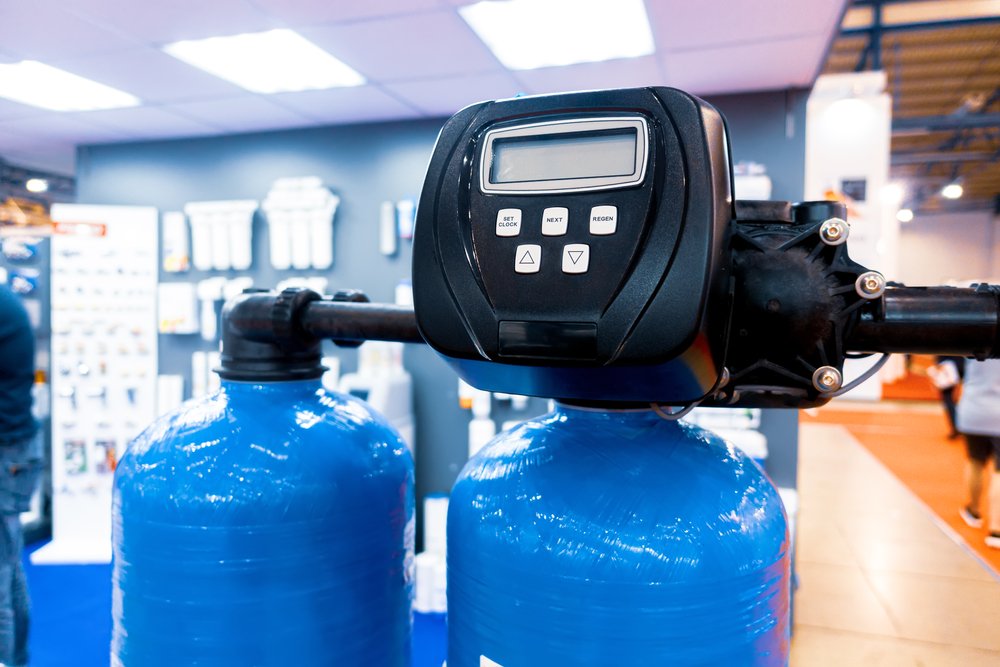
Inside your water softener, the resin beads are responsible for softening your water. Ion Exchange Resin in water treatment has many applications, with removing hardness being just one of them…
If you don’t maintain these specialised polymer beads, then your hard water problems will return. Limescale, dry skin & hair, hard water corroding your pipes… You can stop these issues coming back. Here’s how. First, how will you know when you actually need resin replacement?
Signs your water softener resin needs replacing
You don’t need to be a water treatment expert to spot the signs that your water treatment is failing.
Look out for…
- Visual changes- Swollen beads indicate they have gone bad. Usually, a standard cation bead will be amber in colour, so if you find them looking brown, red or even black – these are severely fouled.
- Check for feel of softness. Has dry, itchy skin returned? Washed clothes feel less soft than before?
- Soap lathering- Softened water enables the products to properly lather so you use less. If your soap isn’t lathering, it’s another tell-tale sign your resin is failing.
- Spots on glassware- Dissolved calcium and magnesium ions stick to glassware and dishes, so keep an eye on your kitchen starting to lose its sparkle.
- Clogging- Keep a look out for sand-like orange/amber particles clogging in places like showerheads, or faucet aerators. This is because overtime, resin will turn into a soft paste as they degrade and fracture.
Now that you can see your resin may need replacing, here’s what you can do to fix this.
How to replace your resin beads
The DIY Method
*Before you begin, check your water softener manual for guidance on safely accessing and replacing your bed of resin.
- Make sure your system is in bypass mode or turn off the main water supply so water does not flow into the tank.
- You should then press down on the regeneration/recharge button on the control valve until the unit cycles to bleed off any trapped internal water pressure.
- Siphon out the old beads and old water, then rinse the inside of the tank.
- Make sure to protect the riser tube with either a cap/ or tape when pouring in the new resin. This will stop beads falling inside and bocking plumbing.
- Don’t fill the tank all the way. Up to 75% is important so the beads can expand and move during the backwashing process.
- Once you’ve reassembled and taken it out of bypass mode, perform an initial flush. By doing this you rinse our trapped air and fine particles.
Hire a professional
Alternatively, if this is something you aren’t familiar with and you want your system checked properly, then it’s best to hire a professional to come out and perform this. They will take care of inspecting your water softening system for any potential issues, replace your resin and be able to dispose of the old resin properly.
Where to buy Water Softening Resin
If you find yourself needing replacement water softener resin, then ResinTech’s CGS resin is a perfect solution for residential softening. It is Gold Seal certified by the WQA (Water Quality Association). At Resin Products, we supply a choice of resins for this purpose.
For example, the industry standard is CG8 – also manufactured by ResinTech. This particular one is more expensive choice, but is ideal if your water is chlorinated or contains high levels of iron. Furthermore, CG8 is the superior choice for longevity. It can last between 10-15 years. This is generally more than CGS, which has a lower crosslink percentage of around 6-7%, compared to CG8 which is 8%.
How long should my resin last?
Water softening resin beads typically have a very long lifespan of between 8-15 years. There are factors that will affect this though. Iron and manganese coat the beads and prevent the Ion exchange process, as well as chlorine and chloramine. They can take your lifespan down to 8-12 years, whereas chlorine and chloramine can half the lifespan!
Summary
It’s important you don’t neglect the beads inside your water softening unit, as this will results in hard water household issues returning. Resin Products will be happy to help you in any queries you have regarding this via our enquiries page.
FAQ
What are some examples of water softening resin?
Other than the CG8 and CGS mentioned in this blog, we also stock CN8-F resin.
What are the benefits of using a water softener system?
Soft water for your house and family. This means: Less limescale and soft water for bathing that’s gentle on your skin and hair
Do I need to clean or replace my resin?
If you have had the resin for less than 8 years and you have iron in your water, it’s possible the resin is just dirty and needs a chemical flush.
Are there any financial benefits when using a water softener?
Yes, your water using appliances will suffer less corrosion damage internally so they will last longer as a result.
What does Gold Seal certified mean in water treatment?
It means the product has passed the rigorous testing and met the industry standards.